
This post may contain affiliate links. Please see my full disclosure and privacy policy for details.
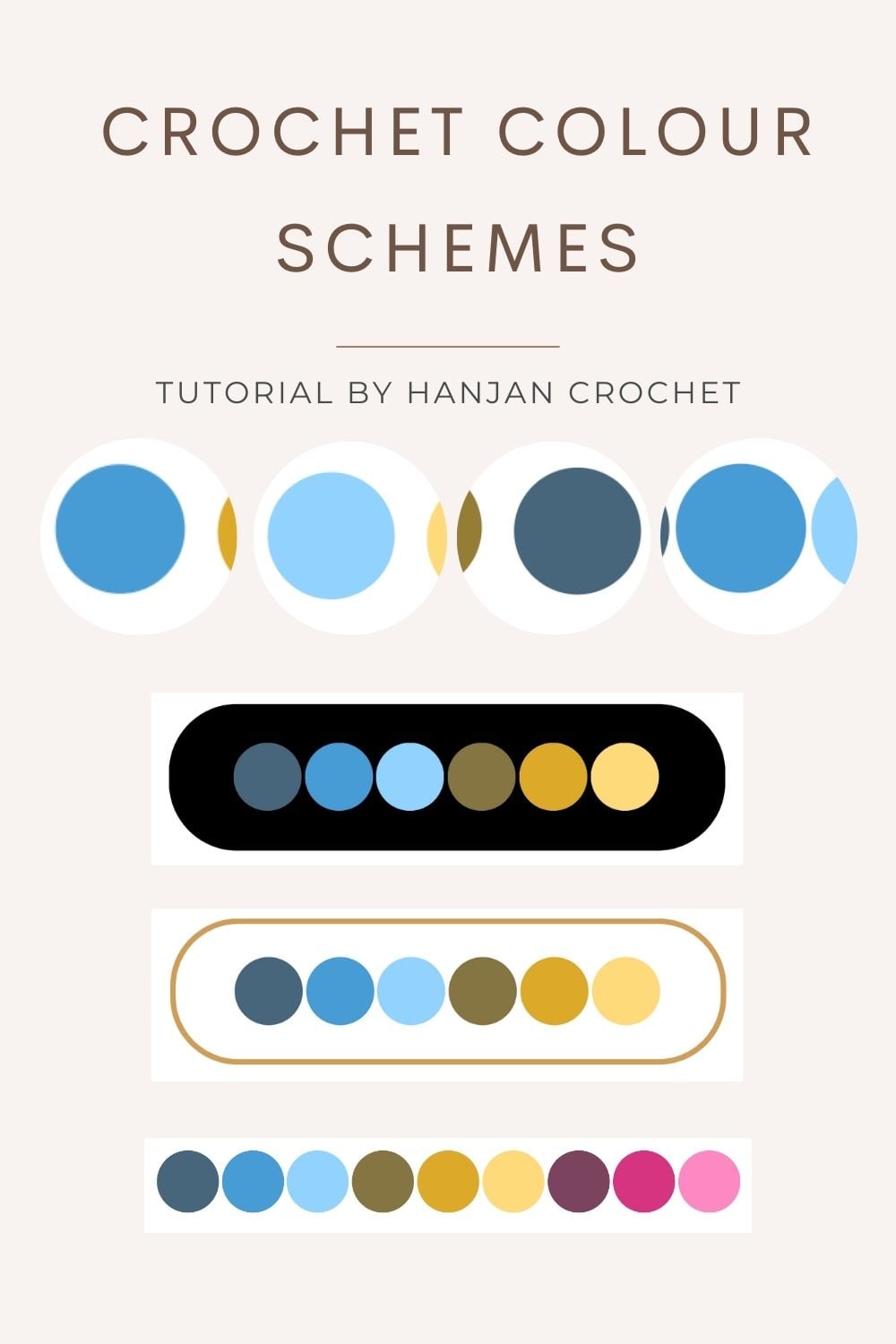
I have always adored experimenting with different crochet colour schemes and it wasn’t until recently that I realised that this is something that lots of people are really nervous about!
I know that for many this has been a stumbling block to even starting a crochet project. Finding the courage to try out a combination of colours or indeed a colourwork technique can be so daunting!
Well, I’m here to help get it all figured out and give you the confidence to choose and then use any colours you like.
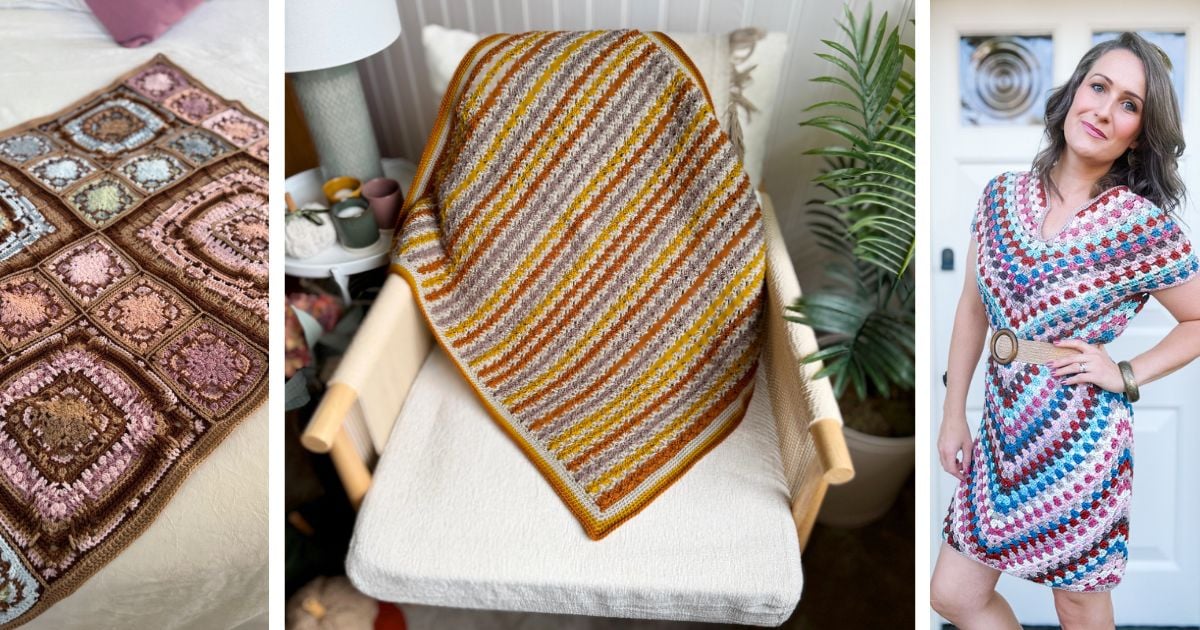
Table of Contents
Is there a Correct Way to Choose Colours?
The thing is that colour choice can be so personal and varied. It’s not for anyone to say whether or not colours are ‘right’ together.
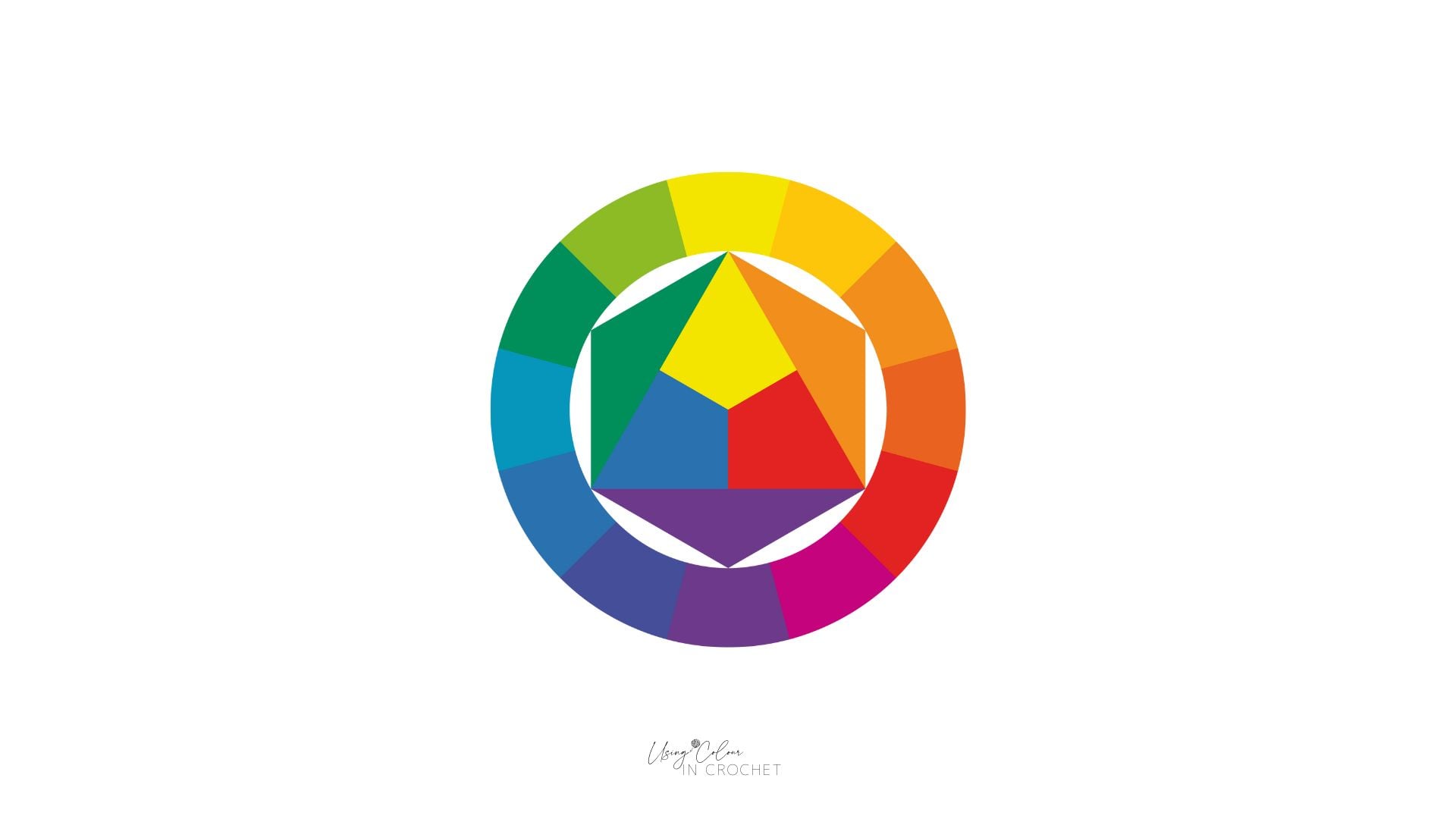
I mean, there are colour theory rules, which I go through in this crochet colour wheel blogpost, but I see them as a gentle guide to help you understand the colour combinations that you are trying to achieve.

Summarise and Save For Later:
The most important thing to remember is that if the colours evoke the feelings you want and looks how you would like it to then they are perfect! (Breaking the rules is good sometimes don’t you think?!)
Take a look back at some colour theory, before we look at some different crochet colour schemes in more detail.

Using Colour in Crochet –
A complete online course to find YOUR confidence with colour.
The ultimate way to discover, explore and understand colour so that you can confidently use it in every project!
Count me in!
Last time, we identified the 7 different colour schemes, which give us a basis for starting to combine colours:
- Monochromatic: take one hue to create a palette using different shades and tints of it by adding black, white and grey to it.
- Analogous: take three colours from the wheel that are adjacent to each other.
- Complementary: take colours from opposite sides of the wheel.
- Split Complementary: take one colour from the wheel and then use the 2 colours either side of its complementary colour.
- Triadic: use three colours that are evenly spaced around the colour wheel.
- Tetradic: take two sets of colours that are complimentary pairs and then choose one dominant colour to create balance.
- Square: work in the same way as tetradic but don’t have a dominant colour.
How do I Pick a Colour Scheme?
Choosing the right scheme for your project might depend on a number of things. Try to think about where it will live, who will use it, what their tastes are and what feeling you want it to have.
Why are Feelings Important in Colour Choice?
You might not think it when looking at all of the technicalities of schemes but they are all about feelings! Each of them evoke a feeling for different in different people for varying reasons.
So many variables!
Not enjoying the ads? Want less distractions?
Join Us In The HanJan Crochet Club!
Join the online club and enjoy hundreds of Hannah’s crochet patterns ad-free, plus exclusive resources, a bonus Ebook and new free patterns added regularly.
This means that colour choice truly is subjective but we can generally all agree on these few themes for each scheme that might help you with planning:
MONOCHROMATIC – these schemes can feel harmonious, calm and less ‘busy’ as there isn’t much contrast to make your brain think too much about.
ANALOGOUS – these schemes are often calming too as they use colours that sit neatly together but they can be really dramatic if you use different chroma and light for the shades.
COMPLEMENTARY – these schemes often have the most impact and are the most exciting as they use completely opposite colours from the wheel. They don’t clash or feel uncomfortable meaning that they often feel energetic and fun.
SPLIT COMPLEMENTARY – these schemes have the excitement of complementary but often feel softer and calmer as they use slightly less contrast in them.
TRIADIC – these schemes are often the most adaptable in my opinion as whatever chroma or light you use you will always maintain a good level of contrast and depth to them. This is the point where opinion can be divided as they can feel all sorts of things to people – fun, bright, simple, clean and busy too!
TETRADIC – these schemes differ from all the other as you purposefully choose a dominant colour from the wheel which changes the balance of everything. They can be the most exciting and rich combinations but you need to be careful to choose the best dominant colour to ensure a good balance between warmer and cooler colours.
SQUARE – these schemes can be equally as exciting as tetradic once you find the right balance of the four shades. You can easily adjust the light and shade create a warmer, cooler, brighter or darker feel to the scheme.
The important thing to remember when experimenting with any scheme is that they are yours to change how you would like! If you feel it would be better with one colour along in the wheel then go for it!
I relate really well to tangible colours. This is where the yarn comes in! I often use my yarn stash to figure out colour combinations. Even if it isn’t the same yarn weight or fibre you can easily use your stash to just see the colours together, move them around and see how they make you feel. Go try it now 🙂
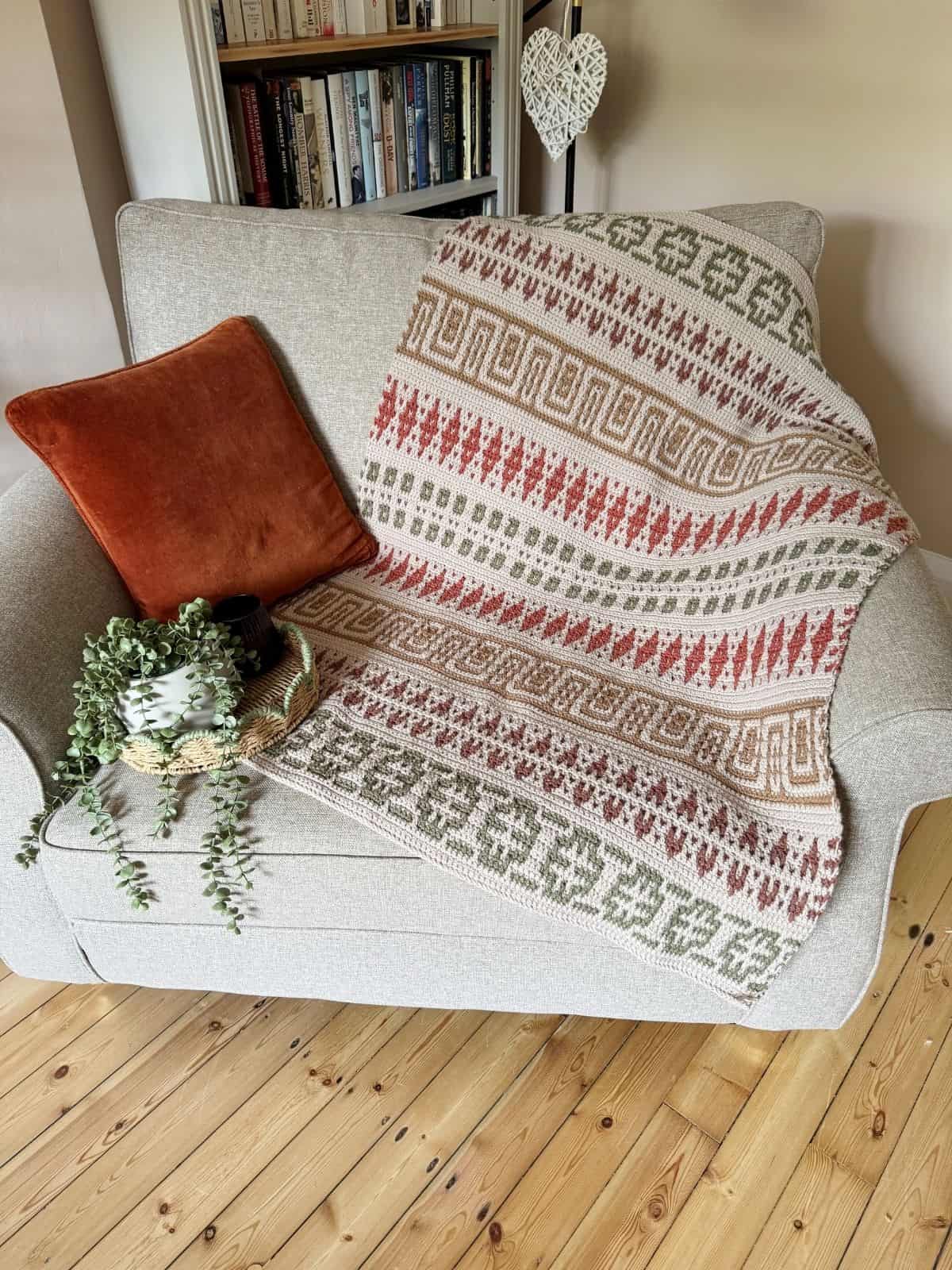
Adding Some Light
How do I make it brighter or darker?
Using a colour wheel can be great but often that doesn’t take into account the different tones within a colour. You can add white, black, grey and alter the saturation to really change your scheme with ease.
Chroma and Light
As we discussed in our Crochet Colour Wheel post, the Light and Chroma of each colour can dramatically change the look you can achieve with each scheme.
Let’s look at a few examples of schemes if we shift some things about (and plan some blankets whilst we’re at it!).
Using the basic colour wheel, if we knew that we wanted to use triadic colours then we might come up with something like this:

Would you like to save this?
You can unsubscribe at any time.
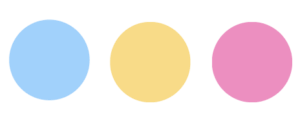
If we want to add tints (white) to the colour scheme then it could change to this:
If we want to add shades (black) to the colour scheme then it could change to this:
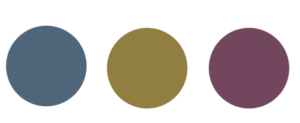
Just look at how different they are! The colours still work really well together but feel really different.
The really great thing is that you have just created an awesome colour scheme!

Adding Black and White
The other easy thing to do to dramatically change any colour scheme is to add a dominant colour (usually the background for blankets).
This doesn’t have to be black or white of course but they work exceptionally well with most other schemes. You don’t have to worry about where on the wheel everything is.
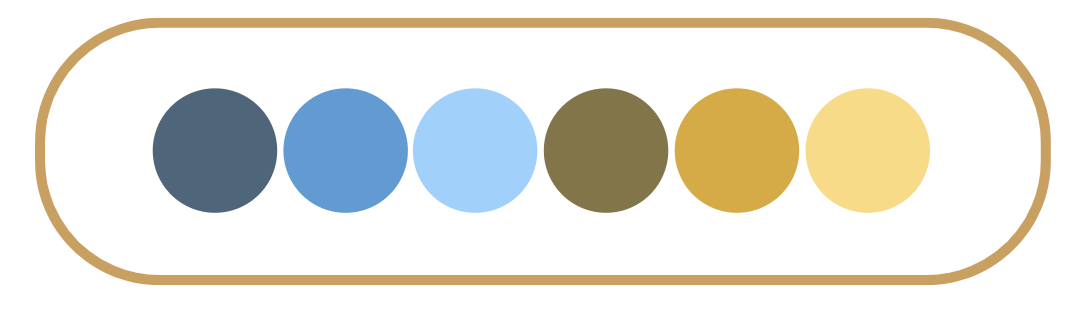
So as an example we can use the following portion of the scheme we just created:
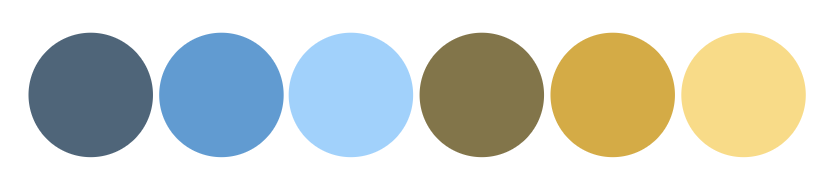
If we add white to be the background colour (tricky on a white sheet of paper!) then it will look like this:
If we add black to be the background colour then it will look like this:
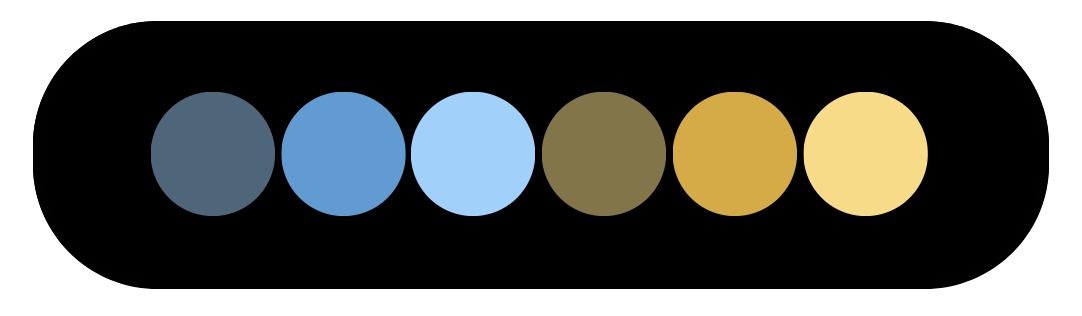
Both backgrounds work really well but create completely different contrast, vibrancy and feel.
Next Steps in Your Crochet Journey
I hope you are starting to see how using a basis in colour theory and crochet colour schemes, along with your own feelings about colour, can lead to some really amazing colour palettes.
Have a go at this crochet blanket for boys and girls or this beautiful crochet blanket to start using your new colour scheme knowledge.
If you’d rather learn everything all at once, sign up to my Using Colour in Crochet Online Course!
Get your free guide!
Subscribe to get your free guide to choosing and combining colours!
Learn Some More Crochet Techniques With Me
There are so many interesting things to learn about in the world of crochet and I’m here to help! Why not take some time to learn some crochet stitch tutorials – or how about some of these other important areas of crochet:
- Yarn Weight Chart and Guide in Crochet
- Mosaic Crochet Tutorial; What’s the difference between Overlay and Inset Mosaic
- Guide To Crochet Hook Sizes: Best Types and Chart for Beginners
- How to Make a Crochet Gauge Swatch, and Why it’s So Important
I hope you’ve enjoyed learning all about crochet colour schemes with me! I really hope you’ve caught the crochet bug and I’d love to share in your crochet journey with you! You can sign up to become a member of HanJan Crochet and I’ll let you know about all the fabulous crochet adventures, offers, lives and more too!
See you there!
Join our pattern support group!
We’ve built an amazing community always ready to help each other. Join today!